
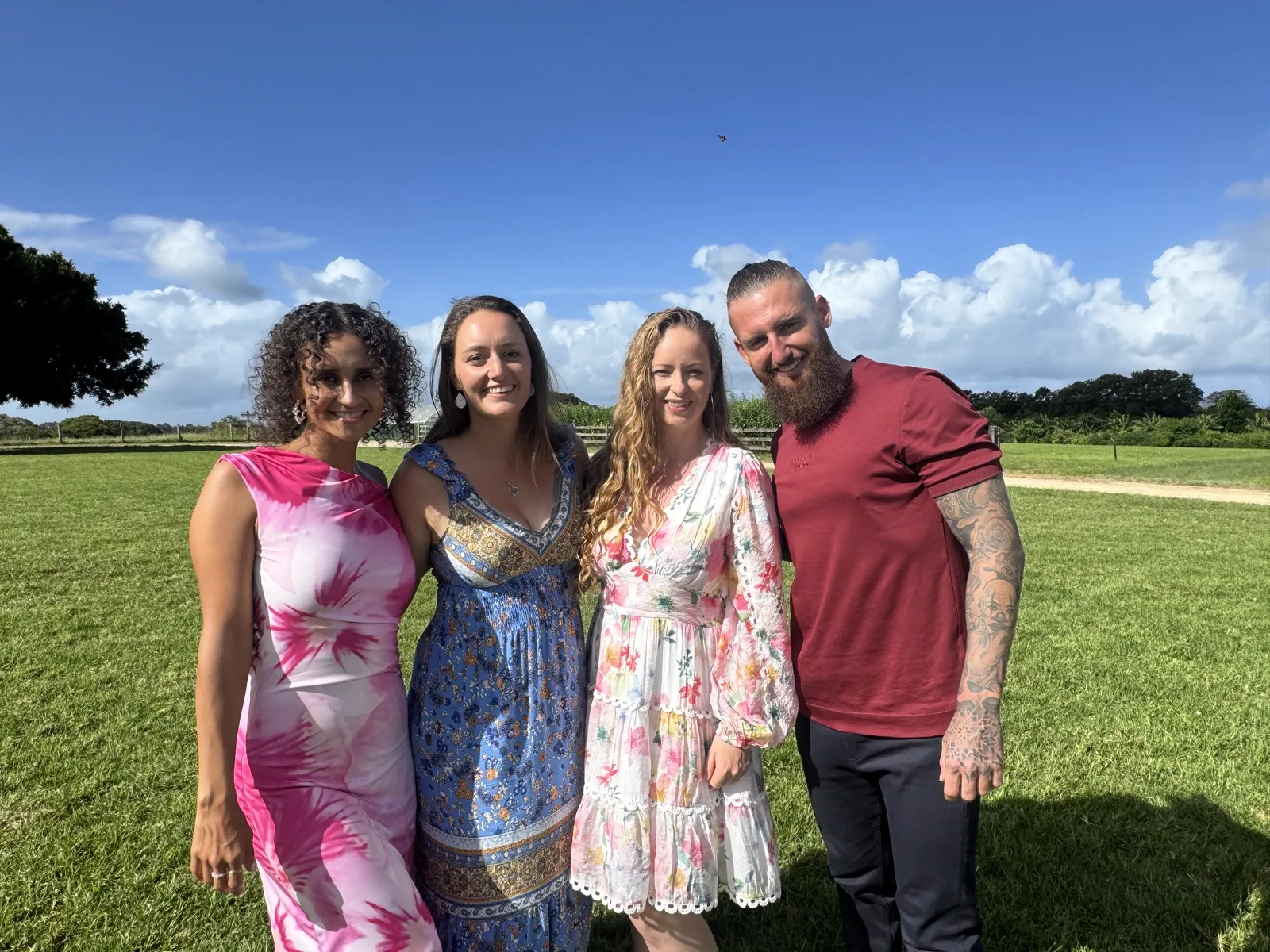
When I first started trying to make money for myself, I knew basically nothing about business.
I didn't understand marketing. I didn't understand advertising. I didn't know how to build a brand or run ads or create funnels.
My understanding of business was pretty simple: if you owned the business, you probably had the potential to make more money than if you worked for somebody else.
And I knew I'd rather own something than feel like somebody else owned my time.
That was about the extent of my business education.
Nine years later, I've spent years selling online, running advertising, building businesses, mentoring people and making more mistakes than I could count.
Some things worked.
Plenty didn't.
And strangely enough, I think the things that didn't work taught me just as much as the things that did.
Before Online Business, I Was Willing to Try Almost Anything
One of my first real experiences with sales was selling electricity and gas door-to-door.
And I actually loved it.
There were leaderboards, friendly competitions and that competitive feeling of trying to improve every day.
I wasn't particularly skilled. I just realised pretty quickly that I could make up for what I lacked in skill by working harder.
If somebody knocked on 50 doors, I'd knock on more.
If somebody said no, I'd move on to the next door.
Rejection didn't upset me because I started seeing it as part of the game.
Unfortunately, I was also completely broke at the time. Eventually I couldn't even afford to keep getting myself to the job, so I had to quit.
But that experience taught me something I've carried into almost everything I've done since:
A no isn't necessarily failure. Sometimes it's just one repetition in a much bigger process.
After that, I tried all sorts of things.
I tried personal training and teaching boxing.
At one point I got a farm and thought I'd get into livestock despite having absolutely no idea what I was doing. I remember animals literally escaping around me while I was trying to figure it all out.
That was basically my life immediately before things eventually started working online.
I even came up with a business called Storage Aid.
The idea was that when people stopped paying for storage units and abandoned their belongings, I'd work with storage companies to clear the units so they could rent them again.
Sounded reasonable.
In reality, I'd spend most of the day taking somebody else's worthless stuff to the tip and discover that whatever was left in the unit wasn't worth anything either.
Another brilliant Brodie business venture.
But I've always been willing to try things.
I've basically lived by this idea:
Fail nine times. Succeed once. That's all it takes.
I'm not suggesting everyone needs nine failed businesses. But being willing to look stupid, get something wrong, learn and try again has probably been one of the most valuable traits I've had.
If You're Scared of Selling, Entrepreneurship Is Going to Be Difficult
One thing I've noticed is that plenty of people love the idea of being an entrepreneur but hate the idea of selling.
They'll say:
"I'm just not a salesperson."
But where do you think the money in a business comes from?
Something has to be sold.
At its simplest, business is an exchange of value. Somebody has a need or a problem. You provide something they consider valuable enough to exchange their money for.
That's why I think learning to sell is one of the most important skills an entrepreneur can develop.
But there's an important distinction.
Being good at sales doesn't mean forcing something onto somebody.
The best salespeople I've known genuinely believe in what they're selling.
They take the time to understand the person they're speaking with—their needs, wants, problems and goals—and then work out whether what they're offering actually makes sense for that person.
If it doesn't, say so.
Sometimes the right thing to do is point someone somewhere else, even if that's a competitor.
I'd rather lose a sale and sleep well at night than convince somebody to buy something I genuinely don't believe is right for them.
To me, that's how you build something sustainable.
Advertising Metrics Don't Pay Your Mortgage
I've spent a lot of my own money on advertising over the years.
Some of it produced fantastic results.
Some of it may as well have been set on fire.
One lesson I've learned is to be very careful about becoming impressed by advertising metrics that don't ultimately contribute to the actual objective of the business.
Clicks can look great.
Traffic can look great.
Your cost per click can look amazing on a report.
But if you're running a business and nobody is becoming a customer, eventually none of that matters.
Vanity metrics don't pay the mortgage. Customers do.
I've also learned to be careful about completely outsourcing responsibility for your marketing.
I've had experiences with agencies where they'll happily keep spending your advertising budget while pointing to cheap clicks or increased traffic as evidence things are going well.
But nobody cares about your business succeeding as much as you do.
That doesn't mean every marketing agency is bad. Far from it.
It means I think a business owner should understand enough about marketing and advertising to know what they're paying for, what success actually looks like and whether the numbers that matter are moving.
Even if you eventually outsource it, learning the fundamentals makes you a much harder person to bullshit.
Great Marketing Can't Save a Terrible Offer
Marketing matters enormously.
But I don't believe marketing can permanently compensate for something that fundamentally doesn't deliver enough value.
You could have the best-looking Lamborghini in the world.
If there's no engine inside it, it's not going very fast.
I think business works the same way.
Marketing can get attention.
Sales can help somebody understand an offer.
Advertising can put it in front of thousands or millions of people.
But eventually the underlying product, service or opportunity needs to deliver enough genuine value to justify the exchange.
That's why I don't think the question should only be:
"How do I market this?"
It should also be:
"Is this actually worth marketing?"
Why Can Two People Get the Same Information and Produce Completely Different Results?
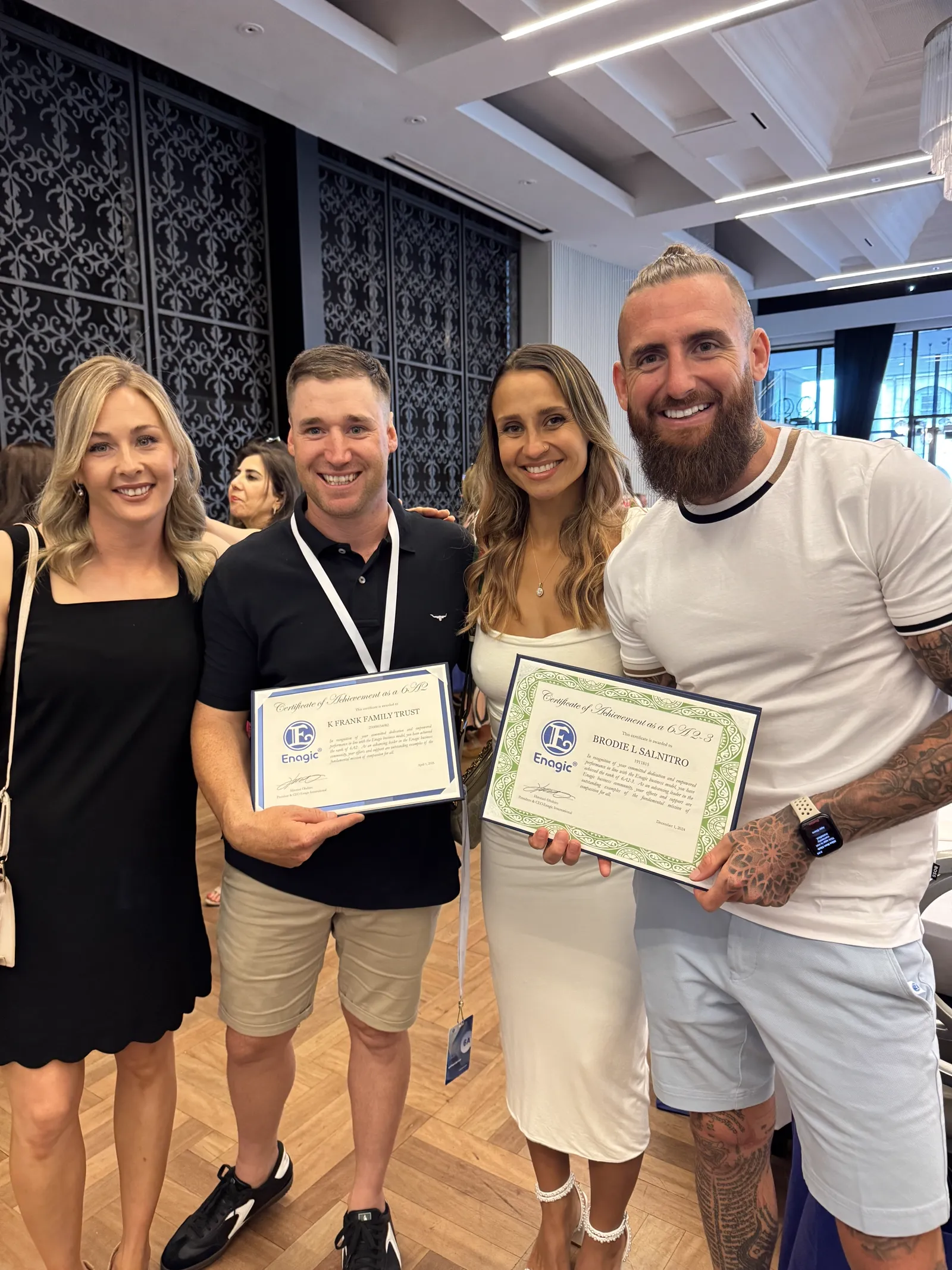
I've mentored thousands of people over the years.
One of the most interesting things I've observed is how differently people can respond to essentially the same information.
Two people can receive the same training.
One runs with it.
They practise. They ask questions. They develop their communication. They learn sales. They improve their marketing. They make mistakes. They come back. They try again.
The other person can barely move.
I don't think the difference is always intelligence.
Often it's behaviour.
Some people are competitive—not necessarily just with other people, but with themselves. They genuinely want to become better at whatever they're doing.
They want to develop.
They get in the room.
They ask questions.
They take risks.
They practise.
They accept that they're probably going to suck at something before they become good at it.
Other people think investing money is the same thing as doing the work.
It's not.
Money might open a door. You still have to walk through it.
And then you have to keep walking when there are obstacles on the other side.
That's entrepreneurship.
You don't automatically get paid because you showed up for eight hours.
The marketplace doesn't really care how many hours you worked. Ultimately, you get rewarded for the value you're capable of creating.
So one of the most important investments you can make is becoming more valuable yourself.
Learn to communicate.
Learn to sell.
Learn to market.
Learn to solve problems.
Learn to lead.
Learn to handle rejection.
Learn to keep moving when something you were convinced would work completely falls on its face.
Those skills travel with you.
I Thought Money Would Make People Respect Me
This is probably one of the biggest things I got wrong when I was younger.
At 27, part of me thought that if I could just become successful financially, people would finally respect me.
It doesn't really work like that.
When you're broke, people can give you shit for having nothing.
Then if you start doing well, some people give you shit for doing too well.
I've learned that you can't build your life around winning everybody's approval.
I've also developed more compassion around it.
Sometimes somebody has tried something themselves and it didn't work. Watching somebody else succeed can bring things up for them.
Sometimes people simply disagree with what you're doing.
And sometimes people just don't like you.
That's life.
I spent a lot of my younger years wanting to prove that I was good enough.
These days, I don't think success is about convincing everybody else that you've made it.
If I Could Talk to Myself at the Beginning
If the Brodie who was just getting started sat across from me today and said:
"Mate, I want to build something online, but I have no fucking idea what I'm doing."
I'd probably tell him something he wouldn't want to hear.
If you desperately need this to work in the next 90 days, be careful.
If you want to put in as little time as possible, don't want to learn sales, don't want to learn marketing, don't want to develop new skills, aren't willing to put yourself out there and aren't prepared for months where you might feel like absolutely nothing is happening, entrepreneurship probably isn't what you're looking for.
Don't waste your money pretending otherwise.
There is nothing wrong with having a job.
A job can provide something entrepreneurship doesn't: a relatively predictable exchange of your time for income.
Entrepreneurship doesn't promise you that.
But if you're someone who genuinely wants to take a chance—not just on an opportunity, but on yourself—and you're prepared to learn, work, get things wrong and keep developing, it can be an incredibly rewarding journey.
And I don't mean purely financially.
You can become a completely different person through the process.
What Success Means to Me Now
Success looks very different to me today than it did when I was broke and trying to prove myself.
I still love business.
I like solving fun problems.
I love working on new projects, developing things and figuring out how to make something better or easier.
I enjoy being in the trenches with people—whether they're new and trying to figure this online stuff out or established leaders working toward the next thing.
I enjoy building communities and bringing people together.
But above everything else, I just want to be present with my family.
I want to do my best to be a good dad.
And for the people in our community who are genuinely having a crack at bettering themselves, learning new skills and trying to build something better, I want to be a pillar of support for them.
Nine years into this journey, that's probably what success means to me now.